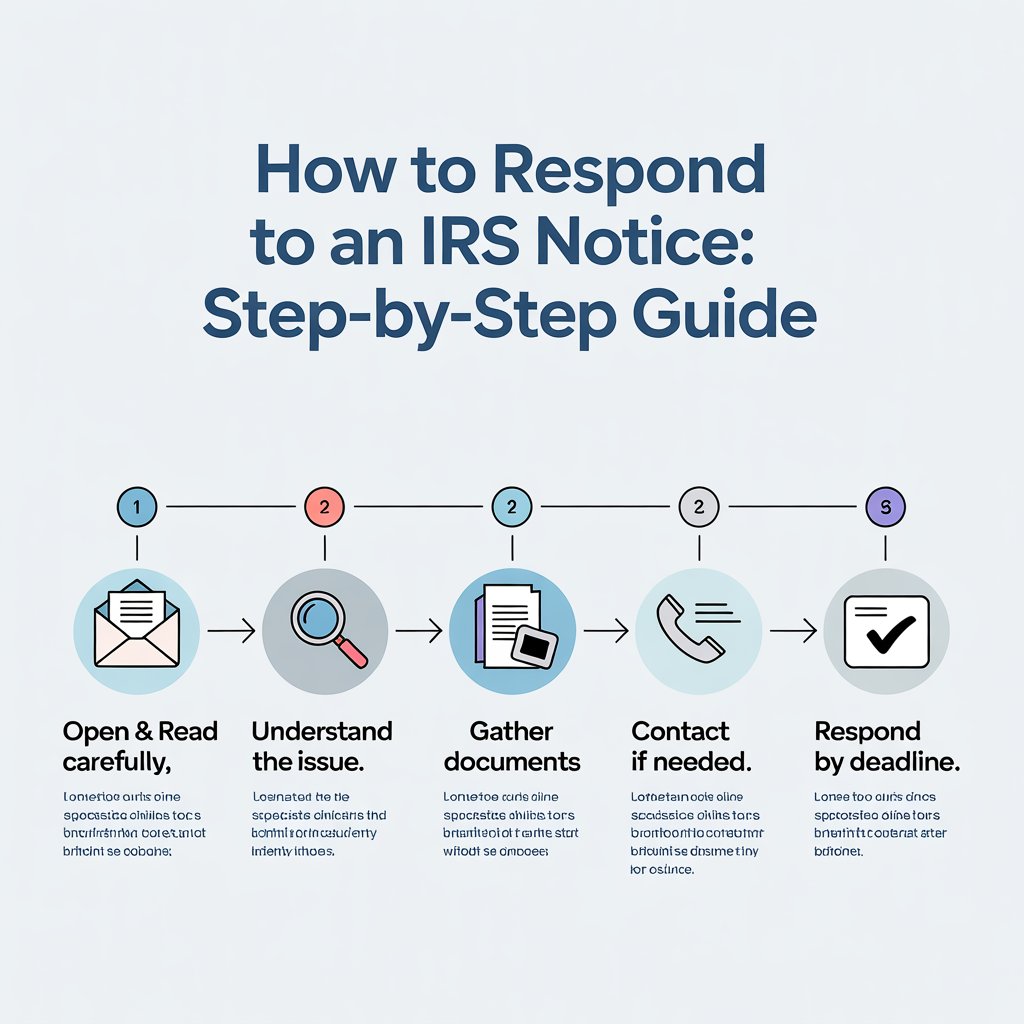
Receiving a letter from the IRS can feel overwhelming.
However, knowing how to respond to an IRS notice quickly and correctly can save you from penalties, audits, or even legal trouble.
Every year, millions of US taxpayers receive IRS notices.
According to the IRS, over 170 million individual returns are processed annually in the United States, and a significant portion triggers follow-up notices.
In this guide, you’ll learn exactly what IRS notices mean,
why you received one, and most importantly, how to respond step by step. Whether you’re a content creator, cannabis business owner, self-employed professional, or US expat, this guide will help you stay compliant and in control.
Let’s start by understanding what these notices actually are.
What Is How to Respond to an IRS Notice?
How to respond to an IRS notice means taking the correct steps after receiving an official letter from the Internal Revenue Service (IRS). These notices can relate to errors, missing payments, audits, or identity verification requests.
For US taxpayers, responding properly is critical. Ignoring an IRS notice can lead to penalties, interest, or enforced collection actions such as liens or levies.
What Types of IRS Notices Exist?
The IRS sends different notices depending on your situation. Common examples include:
CP2000: Income mismatch notice
CP14: Balance due notice
Letter 5071C: Identity verification
LT11: Final notice before levy
Each notice has a unique code and purpose. Therefore, you must read it carefully before responding.
Why IRS Notices Matter for Your Business
For creators, cannabis businesses, and self-employed individuals in the USA, IRS notices can directly affect cash flow.
For example, underreported income flagged by a CP2000 notice may increase your tax liability significantly. Additionally, penalties can reach up to 25% for failure to file or pay on time under IRS rules.
Key Rules for Responding to IRS Notices
The most important rule is simple: never ignore an IRS notice. Acting quickly can prevent escalation and reduce penalties.
The IRS outlines official response procedures on its website. You can review guidelines directly on the IRS website (opens in a new tab): https://www.irs.gov/individuals/understanding-your-irs-notice
Core Rules to Follow
Read the notice completely before taking action
Additionally, understanding terms is essential. For example, a tax deficiency means the IRS believes you owe more tax than reported. Meanwhile, a penalty abatement is a request to reduce or remove penalties due to reasonable cause.
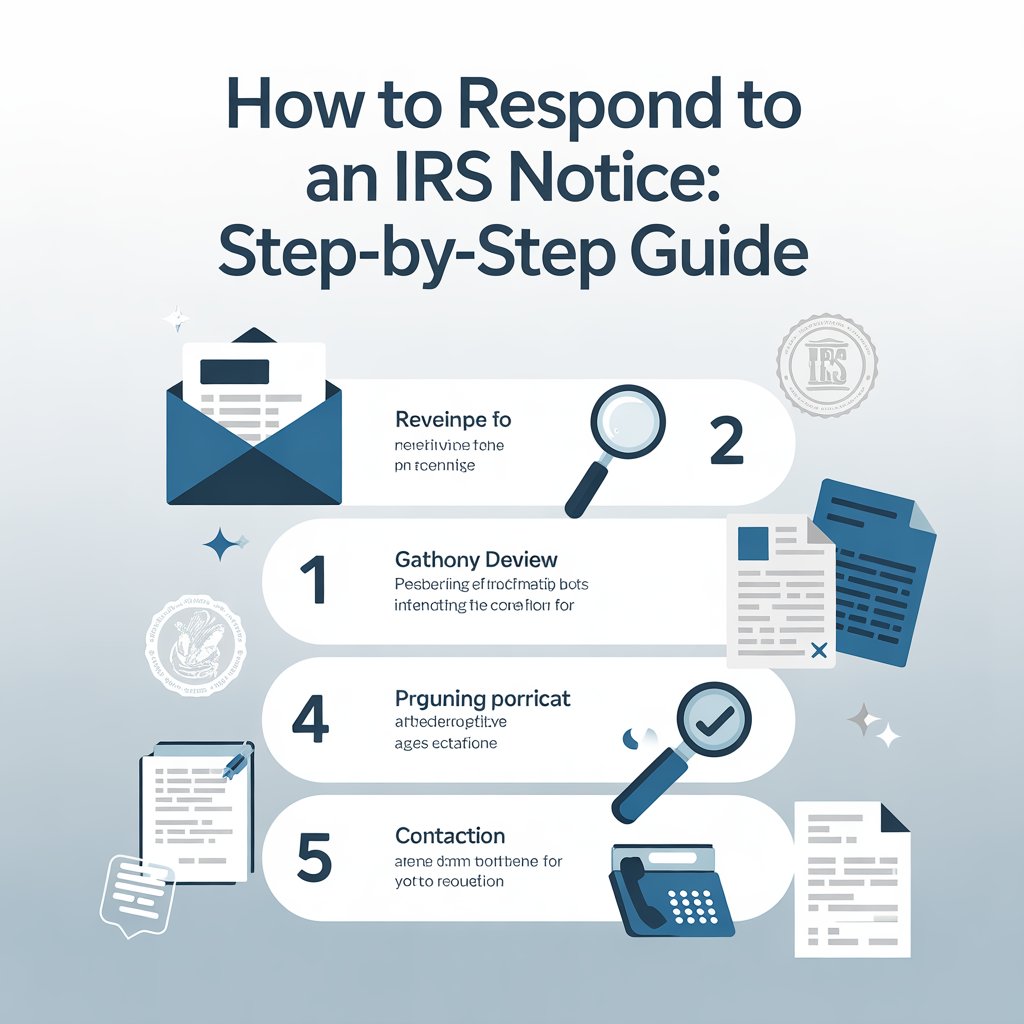
Common Mistakes When Responding to IRS Notices
Many US taxpayers make avoidable mistakes when handling IRS notices. These errors can worsen your situation quickly.
Ignoring the Notice
Ignoring an IRS notice is the biggest mistake. The IRS may escalate the issue to collections, which can lead to wage garnishment or bank levies.
Responding Without Understanding
Some taxpayers respond immediately without reviewing the details. As a result, they may agree to incorrect adjustments or overlook errors.
Missing Deadlines
Deadlines matter. Most IRS notices require a response within 30 days. Missing this window may remove your right to dispute the claim.
Not Keeping Records
Failing to keep copies of your response can create problems later. Always document everything you send or receive.
Trying to Handle Complex Cases Alone
While simple notices can be handled independently, complex issues like audits or large discrepancies require professional guidance.
Step-by-Step Guide: How to Respond to IRS Notice
Here’s exactly how to respond correctly and confidently.
Step 1: Read the Notice Carefully
Start by reading the entire notice. Identify the issue, deadline, and required action.
Step 2: Verify the Information
Compare the notice with your tax return. Look for discrepancies in income, deductions, or credits.
Step 3: Decide If You Agree or Disagree
If you agree, follow the payment instructions. If you disagree, prepare documentation to support your position.
Step 4: Gather Supporting Documents
Collect all relevant records. This may include invoices, bank statements, or income reports.
Step 5: Draft Your Response
Write a clear and concise response. Include:
Your name and taxpayer ID
Notice number
Explanation of your position
Supporting documents
Step 6: Send Your Response
Mail your response to the address listed on the notice. Use certified mail for proof of delivery.
Step 7: Follow Up
After submitting your response, monitor your case. The IRS may take several weeks to reply.
How Tranzesta Can Help With How to Respond to an IRS Notice
Responding to IRS notices can be stressful. However, you don’t have to handle it alone.
Tranzesta is a US-based tax consultation firm that specializes in Streamlined Filing, creator taxes, cannabis accounting, and business bookkeeping. The team understands the unique challenges faced by US taxpayers, including OnlyFans creators and self-employed professionals.
Tranzesta helps clients:
Analyze IRS notices and identify risks
Draft accurate and compliant responses
Negotiate penalty abatements
Resolve tax disputes efficiently
Additionally, if you’re behind on filings or dealing with international tax issues, Tranzesta offers Streamlined Filing compliance services.
Learn more about IRS compliance services at Tranzesta.com.
You can also explore tax solutions for content creators at Tranzesta.com to understand industry-specific strategies.
Contact our team at hello@tranzesta.com for a free consultation.
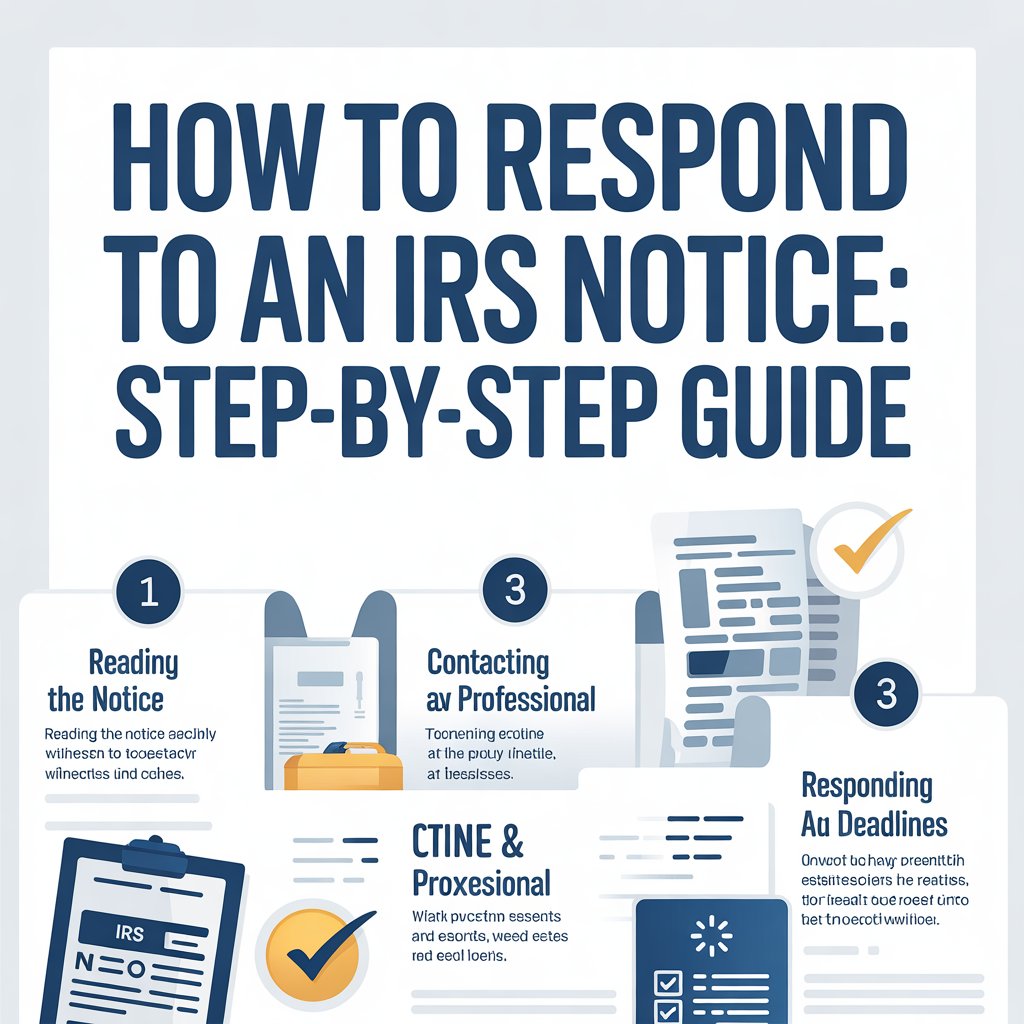
How to Respond to IRS Notice: Expert Tips for 2026
The best way to respond is not just correctly—but strategically.
Here are expert tips from Tranzesta to protect your finances and minimize risk.
Respond early to avoid additional penalties and interest
Request penalty abatement if you have reasonable cause
Double-check IRS calculations—errors do happen
Use professional representation for audits or large liabilities
Set up a payment plan if you cannot pay in full
For example, the IRS offers installment agreements for taxpayers who owe money. According to IRS data, millions of taxpayers use these plans each year to manage debt.
Additionally, under the First-Time Penalty Abatement policy, eligible taxpayers may have penalties removed if they have a clean compliance history.
Conclusion
Understanding how to respond to an IRS notice can make the difference between a manageable issue and a costly problem.
First, always read and understand the notice. Second, respond before the deadline with accurate information. Third, seek expert help when needed.
The IRS process can be complex, but you don’t have to navigate it alone.
Ready to get expert help? Email us at hello@tranzesta.com or visit Tranzesta.com to schedule your free tax strategy session today.
FAQs
How to respond to an IRS notice begins with reading the notice carefully and identifying the issue. Check the deadline, verify the information against your tax return, and gather supporting documents. Then decide whether you agree or disagree before taking action.
How to respond to an IRS notice never includes ignoring it. Even if you believe the notice is incorrect, you must respond within the deadline. Ignoring it can lead to penalties, interest, and enforcement actions such as liens or levies.
How to respond to an IRS notice depends on the specific letter, but most notices require a response within 30 days. Always check the exact deadline stated in your notice to avoid losing your appeal rights.
How to respond to an IRS notice can be simple for minor issues, but complex cases often require a tax professional. If the notice involves audits, large amounts, or legal risks, professional guidance is strongly recommended.
How to respond to an IRS notice when you disagree involves submitting a written explanation and supporting documents. You may also request an appeal if needed. The IRS will review your response and issue a decision.
2 Responses