Facing IRS penalties can feel overwhelming.
In fact, the IRS assessed over $40 billion in penalties annually in recent years, impacting millions of US taxpayers. However, many people don’t realize they may qualify for an IRS penalty abatement waiver—a legal way to reduce or even eliminate these penalties.
If you’re a self-employed professional,
OnlyFans creator, cannabis business owner, or US expat, this matters more than ever. Penalties can quickly compound, making a manageable tax bill spiral out of control.
In this guide, you’ll learn exactly what an IRS penalty
abatement waiver is, who qualifies, how to apply, and how to maximize your chances of approval. Most importantly, you’ll discover how to fix your situation before it worsens.
What is an IRS Penalty Abatement Waiver?
An IRS penalty abatement waiver is a formal request to the IRS to remove or reduce penalties assessed on your tax account. These penalties often arise from late filing, late payment, or inaccurate reporting.
For US taxpayers, this waiver can significantly reduce financial stress. More importantly, it helps you get back into compliance without paying unnecessary fees.
Types of IRS Penalties You Can Remove
Not all penalties are equal. However, the IRS allows abatement for several common types:
Failure-to-file penalty (up to 5% per month, max 25%)
Failure-to-pay penalty (0.5% per month)
Accuracy-related penalties (typically 20% of underpayment)
Estimated tax penalties
According to IRS data, the failure-to-file penalty is the most severe, which makes abatement especially valuable.
Why IRS Penalty Abatement Matters
An IRS penalty abatement waiver can save thousands of dollars. For example, a $10,000 tax debt could accumulate $2,500+ in penalties alone.
Additionally, reducing penalties may improve your chances of qualifying for other relief programs, such as installment agreements or offers in compromise.
For more IRS guidance, review official documentation at
Learn more: https://www.irs.gov/payments/penalty-relief-for-reasonable-cause (opens in a new tab)
How Does IRS Penalty Abatement Waiver Work?
An IRS penalty abatement waiver works by proving to the IRS that you had a valid reason—or meet specific criteria—for relief. The IRS evaluates each request based on strict guidelines.
There are three main ways to qualify:
1. First-Time Penalty Abatement (FTA)
First-Time Abatement (FTA) is the easiest option. It applies if:
You have a clean compliance history for the past 3 years
You filed all required returns
You paid or arranged payment for taxes owed
This option is widely used by US taxpayers who made a one-time mistake.
2. Reasonable Cause Relief
Reasonable cause means you had circumstances beyond your control. The IRS defines this under Internal Revenue Code standards.
Examples include:
Serious illness or hospitalization
Natural disasters
Death in the immediate family
Records destroyed (fire, flood, etc.)
The IRS evaluates whether you acted with “ordinary business care and prudence.”
3. Statutory Exception or Administrative Waiver
These are less common. However, they apply when:
Errors occurred due to IRS system issues
For official IRS criteria, see:
Learn more: https://www.irs.gov/businesses/small-businesses-self-employed/penalty-relief (opens in a new tab)
Common Mistakes to Avoid When Requesting Relief
Many IRS penalty abatement requests get denied due to preventable errors. Avoiding these mistakes improves your approval odds.
Not Providing Documentation
The IRS requires proof. Therefore, vague claims without evidence often fail.
Missing Compliance Requirements
Even if you qualify, you must file all returns first. Otherwise, the IRS will reject your request.
Using the Wrong Strategy
For example, applying for reasonable cause when you qualify for FTA can delay approval.
Poor Explanation
Your explanation must be clear, concise, and credible. Overly emotional or inconsistent narratives reduce trust.
Waiting Too Long
Delays can increase penalties and interest. Acting early improves outcomes significantly.
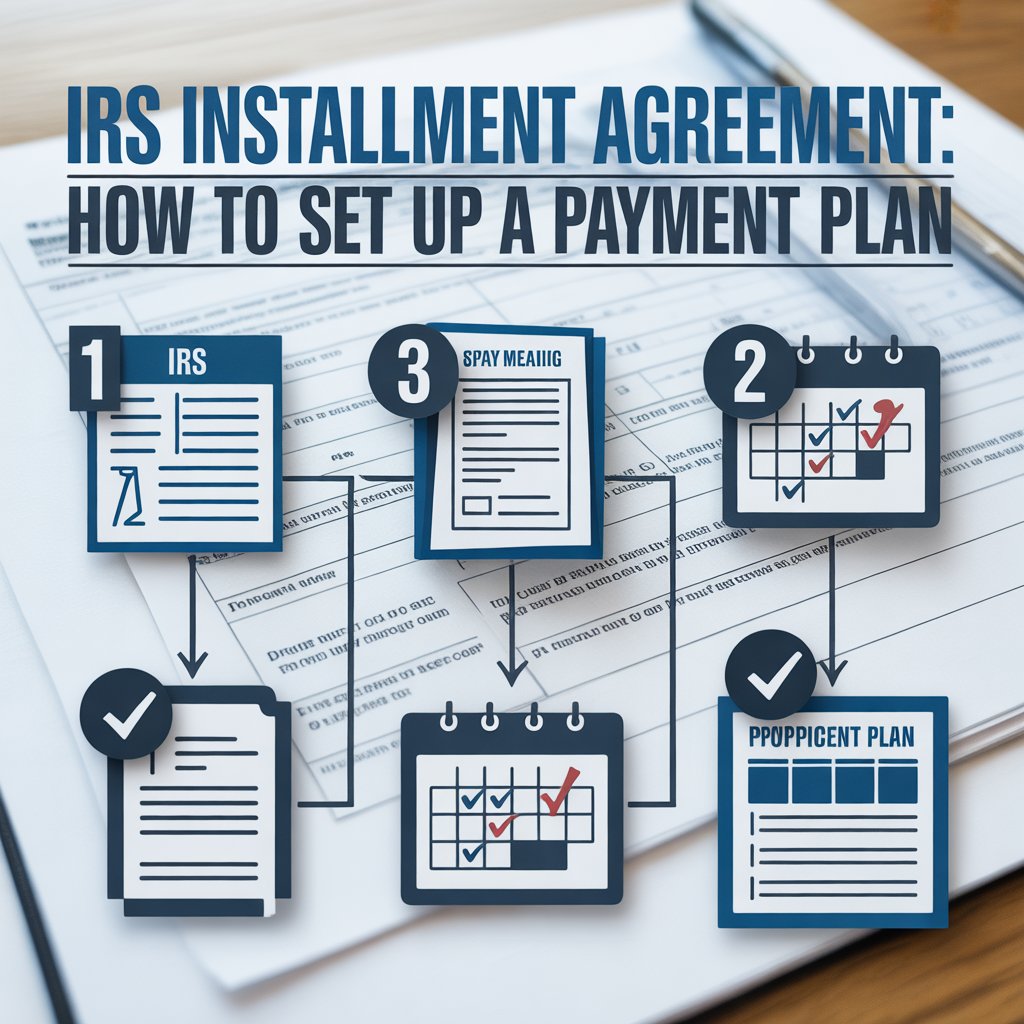
Step-by-Step Guide: How to Apply for IRS Penalty Abatement Waiver
Applying for an IRS penalty abatement waiver is straightforward if you follow the correct process.
Step 1: Identify the Penalty Type
Review your IRS notice (e.g., CP14, CP501). This tells you what penalty applies.
Step 2: Check Eligibility
Determine if you qualify for:
First-Time Abatement
Reasonable Cause
Other exceptions
Step 3: Gather Documentation
Collect proof such as:
Medical records
Insurance claims
Legal documents
Financial statements
Step 4: Choose Application Method
You can request an abatement via:
Phone call (for FTA cases)
Written letter
Form 843 (Claim for Refund and Request for Abatement)
Step 5: Write Your Explanation
Clearly explain:
What happened
Why is it beyond your control
What steps did you take to fix it
Step 6: Submit Your Request
Send your application to the address listed on your IRS notice.
Step 7: Follow Up
IRS responses can take 30–90 days. Follow up if needed.
How Tranzesta Can Help With IRS Penalty Abatement Waiver
An IRS penalty abatement waiver is not just paperwork—it’s a strategy. That’s where Tranzesta comes in.
Tranzesta is a US-based tax consultation firm specializing in:
Streamlined Filing compliance
Creator taxes (OnlyFans, influencers)
Cannabis industry accounting
Business tax and bookkeeping in the USA
Our experts understand exactly how the IRS evaluates abatement requests. Therefore, we position your case for maximum approval.
We help you:
Determine the best abatement strategy
Prepare strong documentation
Draft compelling IRS letters
Communicate directly with the IRS
Additionally, we ensure full compliance, which is critical for approval.
Contact our team at hello@tranzesta.com for a free consultation.
Visit Tranzesta.com to learn more about our penalty resolution and tax relief services.
You can also learn more about IRS payment plans and resolution strategies at Tranzesta.com and explore tax compliance solutions for creators and businesses at Tranzesta.com.
IRS Penalty Abatement Waiver: Expert Tips for 2026
To maximize success, you need more than basic knowledge. Here are expert strategies from Tranzesta.
Act early: The sooner you request relief, the better your outcome
Use FTA first: It’s the fastest and easiest option
Be precise: Avoid long explanations—focus on facts
Match evidence to claims: Every statement should have proof
Stay compliant: File all returns before applying
Additionally, timing matters. For example, applying after entering an installment agreement may strengthen your case.
Most importantly, consistency is key. The IRS reviews patterns, not just isolated events.
Tranzesta’s experience with US taxpayers, including creators and cannabis businesses, ensures your application aligns with IRS expectations.
Conclusion
An IRS penalty abatement waiver can save you thousands of dollars and reduce financial stress fast. However, success depends on understanding eligibility, avoiding mistakes, and presenting a strong case.
Here are the key takeaways:
Many US taxpayers qualify for penalty relief but don’t apply
First-Time Abatement is the easiest option
Proper documentation and strategy are critical
If you’re dealing with IRS penalties, don’t wait. The longer you delay, the worse it gets.
Ready to get expert help? Email us at hello@tranzesta.com or visit Tranzesta.com to schedule your free tax strategy session today.
FAQs
IRS penalty abatement qualifies when a taxpayer meets criteria such as First-Time Abatement eligibility or demonstrates reasonable cause. This includes situations like illness, natural disasters, or inability to access records. The IRS evaluates whether the taxpayer acted responsibly under the circumstances. Compliance with filing and payment requirements is also necessary before approval.
IRS penalty abatement approval typically takes 30 to 90 days. However, processing times can vary depending on case complexity and IRS workload. Requests made by phone for First-Time Abatement may be resolved faster. Written requests and Form 843 submissions usually take longer due to manual review.
IRS penalty abatement can be requested multiple times, but First-Time Abatement is generally limited to once every three years. Reasonable cause requests can be made more than once if different circumstances apply. However, repeated requests may face stricter scrutiny from the IRS.
IRS penalty abatement does not usually remove interest. Interest continues to accrue on unpaid taxes even if penalties are waived. However, if a penalty is removed, related interest tied to that penalty may also be reduced. Taxpayers should still aim to pay the underlying tax as soon as possible.
IRS penalty abatement can be requested without a tax professional, but expert help improves success rates. Professionals understand IRS criteria, documentation requirements, and strategy. For complex cases, such as those involving businesses or large tax debts, professional guidance is highly recommended.
3 Responses