Content creators in the United States often spend
thousands on cameraslighting, and editing tools—but many fail to claim these costs properly. The camera equipment deduction content creator rule allows you to legally reduce your taxable income by writing off essential gear. However, IRS rules are strict, and mistakes can trigger audits or lost deductions.
In this guide, you’ll learn exactly what qualifies, how deductions work, and how to avoid common pitfalls. You’ll also discover step-by-step strategies to maximize your tax savings as a creator in the USA. Let’s start with the basics.
What Is Camera Equipment Deduction Content Creator?
The camera equipment deduction content creator refers to the ability for self-employed creators in the United States to deduct the cost of cameras, lenses, lighting, and related tools as business expenses. These deductions reduce your taxable income, which means you pay less in federal taxes.
This matters because content creation is capital-intensive. High-quality gear can cost thousands, and without proper deductions, you could overpay taxes significantly.
What Counts as Camera Equipment?
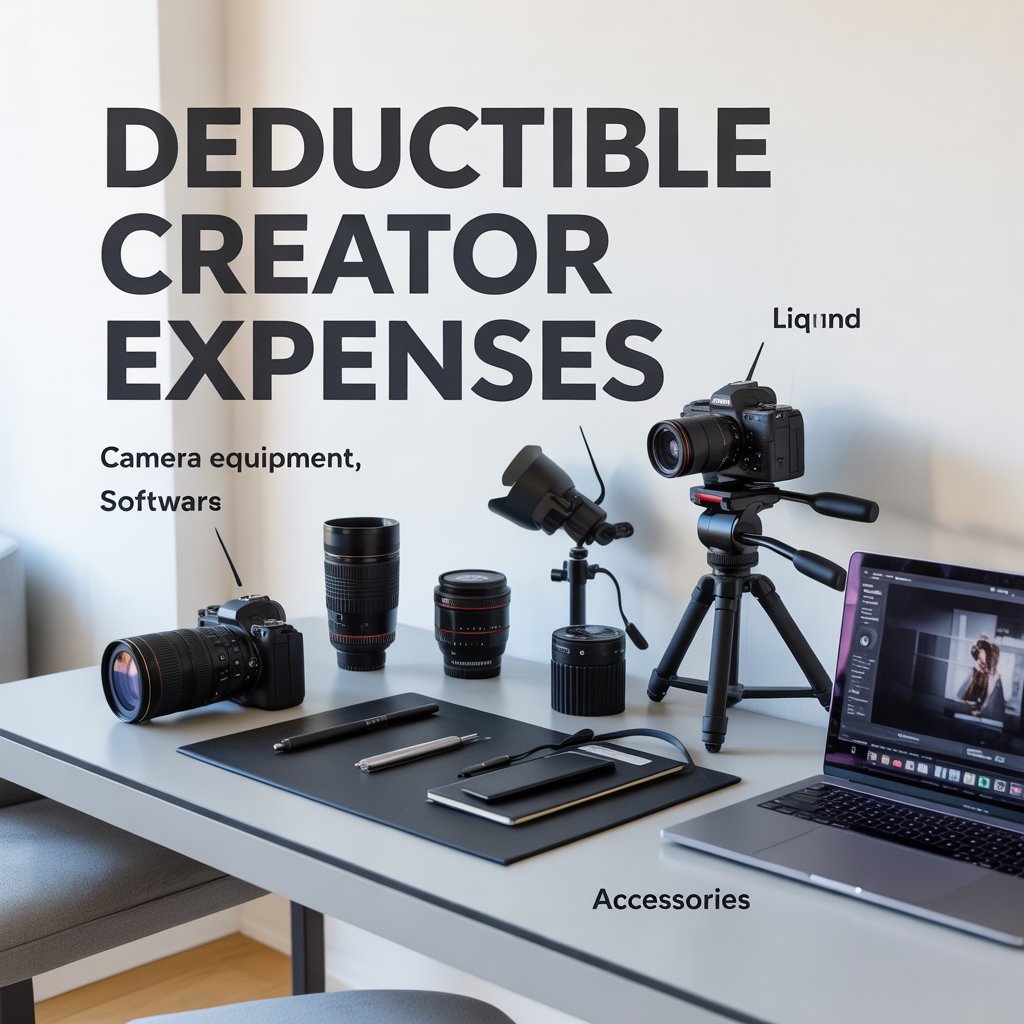
Camera equipment includes any gear used primarily for business purposes. For example:
DSLR or mirrorless cameras
Lenses and tripods
Lighting kits and ring lights
Microphones and audio gear
Memory cards and accessories
However, the IRS requires that the equipment be “ordinary and necessary.” This means it must be common in your industry and helpful for your work as a creator.
Who Qualifies for This Deduction?
You qualify if you are a self-employed individual or independent contractor earning income from content creation. This includes:
OnlyFans creators
YouTubers and streamers
Influencers and social media marketers
Freelance videographers
In the USA, these individuals typically file taxes using Schedule C (Form 1040), which reports business income and expenses.
How Does Camera Equipment Deduction Content Creator Work?
The camera equipment deduction content creator works by allowing you to deduct equipment costs either immediately or over time, depending on IRS rules. In simple terms, you can reduce your taxable income by claiming these purchases as business expenses.
Key IRS Rules You Must Follow
The IRS outlines clear guidelines for deducting business equipment. According to official IRS guidance (see IRS Publication 946 on depreciation: https://www.irs.gov/publications/p946 – opens in a new tab), you must follow these rules:
Business Use Requirement
Equipment must be used primarily for business (more than 50%).
Ordinary and Necessary Standard
The expense must be common and helpful in your field.
Depreciation vs. Immediate Deduction
Large purchases may need to be depreciated over several years.
Section 179 Deduction
You may deduct up to $1,220,000 (2024 limit) in qualifying equipment in one year.
Bonus Depreciation
Allows accelerated write-offs, though it is phasing down after 2023.
Recordkeeping Requirement
You must keep receipts and usage records.
Section 179 vs Depreciation Explained
Section 179 allows you to deduct the full cost of equipment in the year you purchase it. This is ideal if you want immediate tax savings.
Depreciation, on the other hand, spreads the deduction over multiple years. This applies if you don’t qualify for Section 179 or choose not to use it.
For example, if you buy a $3,000 camera:
Section 179: Deduct $3,000 in one year
Depreciation: Deduct smaller portions over 5 years
Common Mistakes Creators Make With Equipment Deductions
Many US taxpayers miss out on savings because they misunderstand IRS rules. Avoid these common mistakes when claiming the camera equipment deduction for content creators.
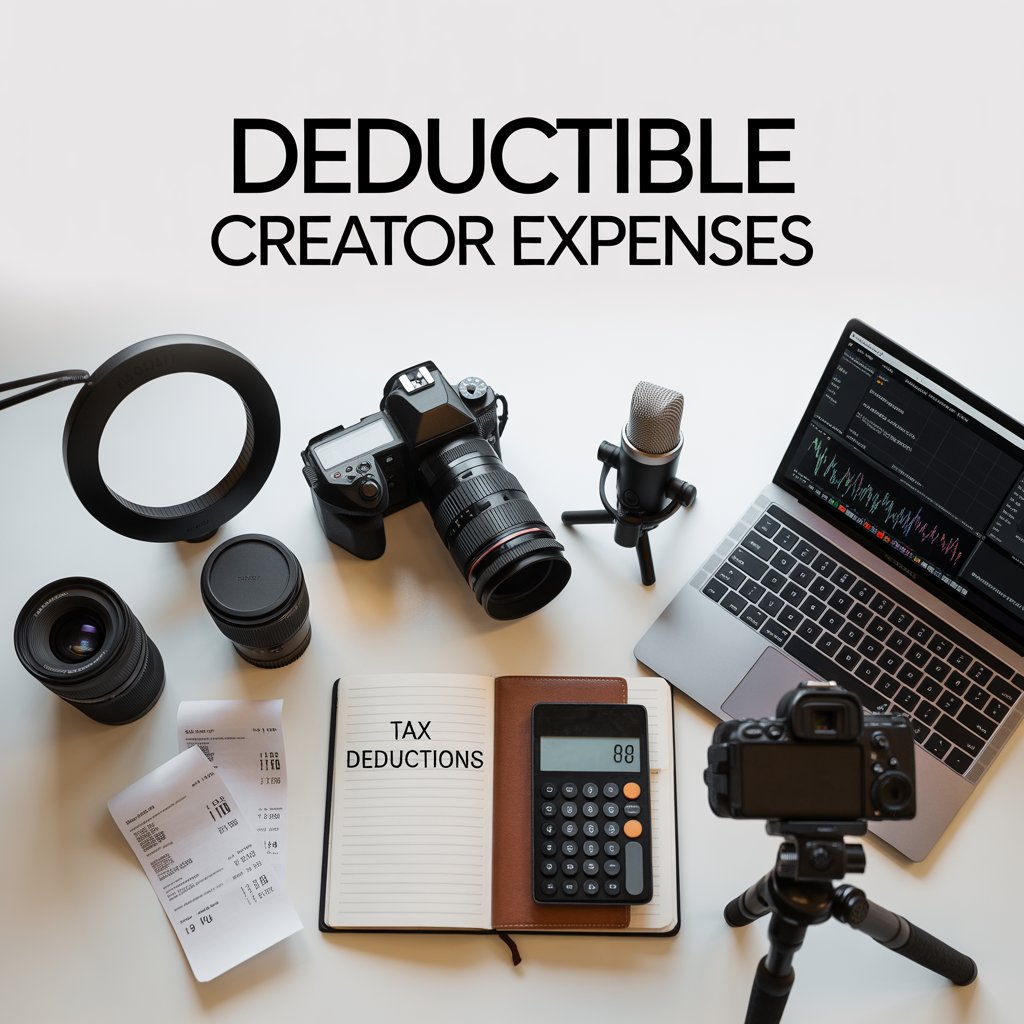
Mixing Personal and Business Use
If you use your camera for both personal and business purposes, you must allocate the percentage correctly. For example, 70% business use means only 70% is deductible.
Not Keeping Receipts
The IRS requires documentation. Without receipts, your deduction may be denied during an audit.
Deducting Luxury Purchases Without Justification
Buying high-end equipment without a clear business need can raise red flags. The IRS may question whether the expense is truly necessary.
Ignoring Depreciation Rules
Some creators deduct the full cost incorrectly when depreciation is required. This can lead to penalties or amended returns.
Forgetting Software and Accessories
Many creators overlook related expenses such as editing software or memory cards, which are also deductible.
Step-by-Step: How to Claim Camera Equipment Deduction Content Creator
Claiming the camera equipment deduction correctly requires a structured approach for content creators. Follow these steps to ensure compliance and maximize savings.
Step 1: Confirm Business Use
First, verify that your equipment is used for business purposes. Aim for more than 50% usage to qualify.
Step 2: Track All Purchases
Keep detailed records of every purchase, including receipts and invoices. Use accounting software if possible.
Step 3: Choose Deduction Method
Decide whether to use:
Section 179 for immediate deduction
Depreciation for spreading costs
This decision depends on your income and tax strategy.
Step 4: Calculate Business Percentage
If you use equipment for both personal and business purposes, calculate the business-use percentage accurately.
Step 5: Report on Schedule C
Enter your deductions under “Expenses” on Schedule C when filing your US tax return.
Step 6: Maintain Documentation
Keep records for at least 3 years. The IRS may request proof during audits.
Step 7: Consult a Tax Expert
Work with professionals like Tranzesta to ensure compliance and optimize your deductions.
How Tranzesta Can Help With Camera Equipment Deduction for Content Creators
The camera equipment deduction content creator can be complex, especially when dealing with depreciation, IRS rules, and audit risks. That’s where Tranzesta comes in.
Tranzesta is a US-based tax consultation firm specializing in content creator taxes, Streamlined Filing, cannabis accounting, and business bookkeeping in the USA. Their team understands the unique challenges faced by creators and self-employed individuals.
Here’s how Tranzesta helps:
Accurate classification of equipment expenses
Strategic use of Section 179 and depreciation
Audit-proof documentation and compliance
Personalized tax strategies for creators
Most importantly, Tranzesta ensures you don’t overpay taxes while staying fully compliant with US laws.
Contact our team at hello@tranzesta.com for a free consultation.
You can also learn more about creator tax strategies:
Learn more about content creator tax deductions at Tranzesta.com
Learn more about bookkeeping for self-employed individuals at Tranzesta.com
Learn more about IRS compliance services at Tranzesta.com
Camera Equipment Deduction Content Creator: Expert Tips for 2026
The camera equipment deduction content creator can unlock significant savings if used strategically. Here are expert tips from Tranzesta to maximize your deductions in 2026.
Bundle Purchases Strategically
Buy equipment in high-income years to maximize tax savings.
Leverage Section 179 Early
If your income is high, take full advantage of immediate deductions.
Track Usage with Apps
Use digital tools to log business vs personal use.
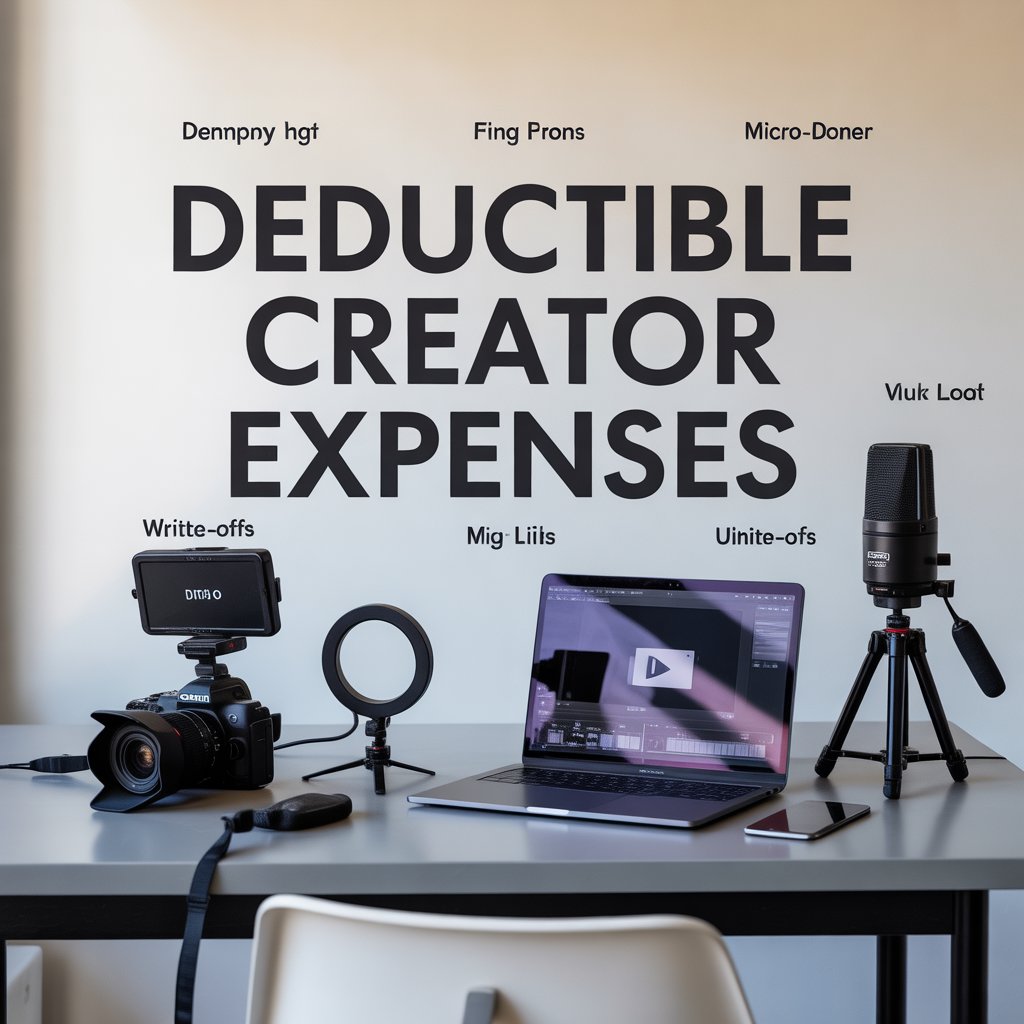
Don’t Forget Software
Editing tools like Adobe Premiere or Final Cut Pro are fully deductible.
Consider Home Studio Costs
Lighting setups and studio improvements may qualify as deductions.
Stay Updated on IRS Changes
Tax laws evolve, especially regarding bonus depreciation.
According to IRS data, small businesses in the United States claim billions in equipment deductions annually. However, many still miss eligible write-offs due to a lack of knowledge.
Conclusion
The camera equipment deduction content creator is one of the most valuable tax-saving opportunities for creators in the USA. First, it allows you to deduct essential gear and reduce taxable income. Second, it provides flexibility through Section 179 and depreciation options. Third, it rewards proper recordkeeping and strategic planning.
However, mistakes can cost you money or trigger IRS issues. That’s why working with experts matters.
Ready to get expert help? Email us at hello@tranzesta.com or visit Tranzesta.com to schedule your free tax strategy session today.
FAQs
Camera equipment deduction content creator rules allow US taxpayers to write off cameras and gear if they are used for business. The IRS requires that the equipment be ordinary and necessary for your work. Additionally, you must use it primarily for business purposes. Depending on your situation, you can deduct the full cost using Section 179 or depreciate it over time.
Camera equipment deduction content creator guidelines confirm that cameras are business expenses if used to generate income. For example, YouTubers, influencers, and OnlyFans creators can deduct cameras used for content production. However, personal use must be excluded. Proper documentation and receipts are required to support the deduction.
Camera equipment deduction content creator rules allow a 100% deduction if the equipment is used entirely for business and qualifies under Section 179. However, if you use the camera partially for personal use, only the business portion is deductible. In some cases, depreciation rules may apply instead of full deduction.
Camera equipment deduction content creator rules cover a wide range of gear, including cameras, lenses, lighting, microphones, and editing software. Additionally, accessories like tripods and memory cards qualify. The key requirement is that the equipment must be necessary for your business and used primarily for income-generating activities.
Camera equipment deduction content creator rules require receipts and documentation for all claimed expenses. The IRS may request proof during an audit. Therefore, you should keep purchase records, invoices, and usage logs. Maintaining proper documentation ensures your deductions are valid and reduces audit risk.
Talk to a real, signing professional
AI precision, human accountability — across the US, UK & UAE.
Book a free consultation