Choosing the wrong business structure can cost you
thousands in taxes every year. In fact, many US taxpayers overpay simply because they don’t understand S-corp vs LLC tax savings strategies.
If you’re a self-employed professional,
OnlyFans creator, cannabis business owner, or US expat, this decision matters even more. The IRS treats each structure differently, which directly affects how much you keep.
In this guide, you’ll learn how S-corps and LLCs are taxed,
when each makes sense, and how to legally reduce your tax bill in the United States. Most importantly, you’ll discover practical strategies used by Tranzesta clients to maximize savings.
Let’s break it down step by step.
What Is S-corp vs LLC tax savings?
S-Corp vs. LLC tax savings refers to the difference in how each structure is taxed and how much money you can legally save on federal taxes.
An LLC (Limited Liability Company) is a legal structure, while an S-corp is a tax election you can apply to an LLC or corporation.
LLC Taxation Explained
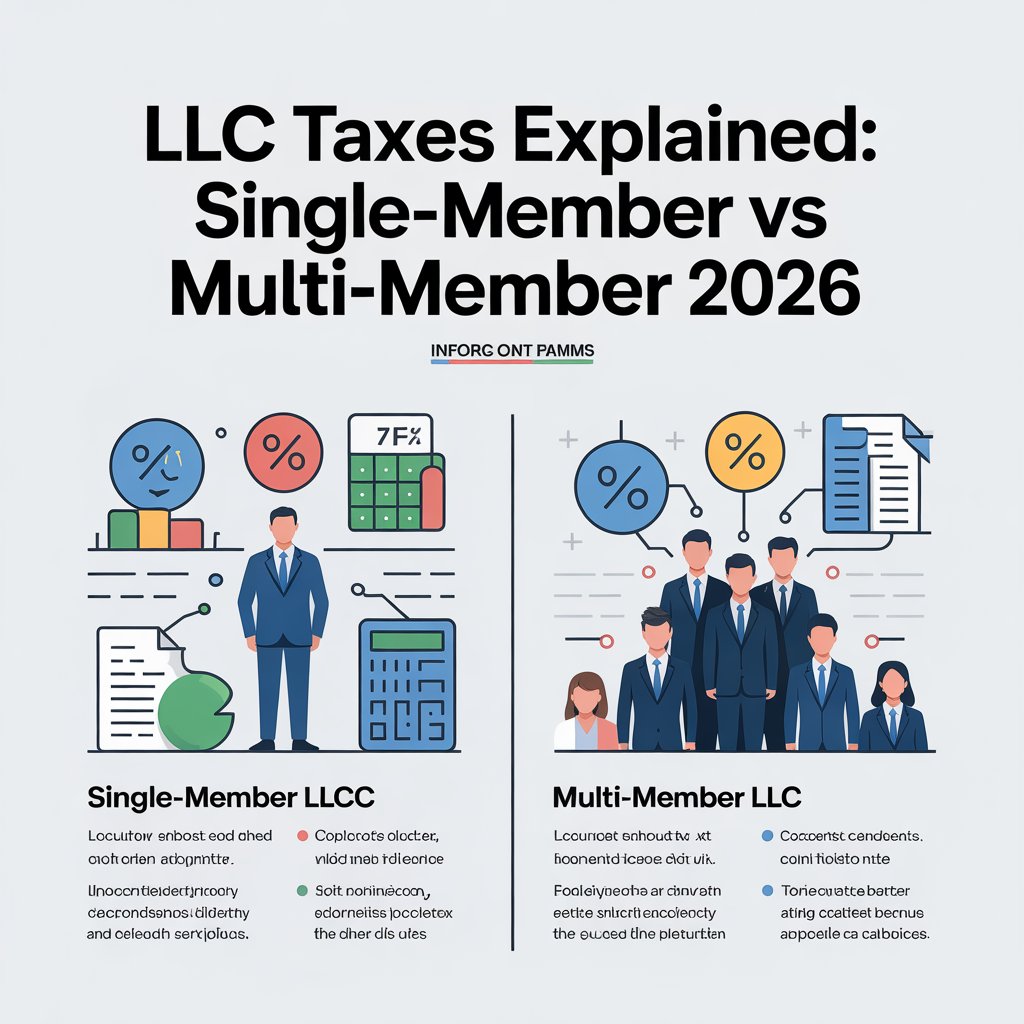
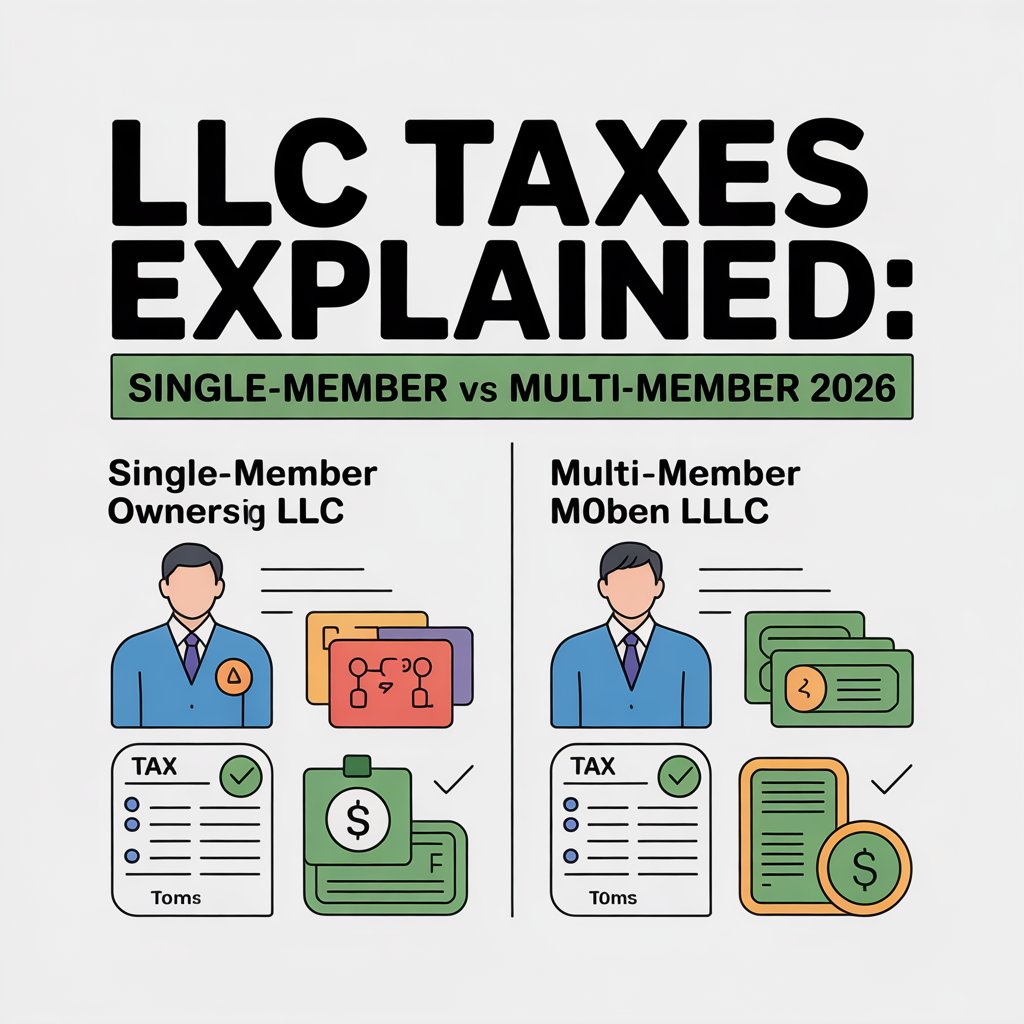
By default, a single-member LLC is taxed as a sole proprietorship in the USA. That means:
All profits pass through to your personal tax return
You pay income tax + self-employment tax (15.3%)
No separation between business and personal tax treatment
For example, if you earn $100,000, you could owe over $15,300 in self-employment tax alone.
S-Corporation Taxation Explained
An S-corp is a special tax status under Subchapter S of the IRS code.
Here’s the key difference:
You split income into salary + distributions
You only pay self-employment tax on the salary portion
Distributions are not subject to self-employment tax
This is where major tax savings happen.
For many US taxpayers, this structure reduces overall tax liability significantly—especially once income exceeds $60,000–$80,000 annually.
How does S-corp vs LLC tax savings work?
S-Corp vs. LLC tax savings work by reducing exposure to self-employment taxes through income splitting.
The IRS allows S-corp owners to pay themselves a “reasonable salary,” while the remaining profit is treated as a distribution.
Key IRS Rules to Understand
According to the IRS (see IRS.gov guidance on S corporations — open in new tab), you must follow strict rules:
Pay yourself a reasonable salary based on market value
File Form 2553 to elect S-corp status
Run payroll and withhold taxes properly
Maintain proper bookkeeping and compliance
File separate business tax returns (Form 1120S)
Example Comparison
Salary: $60,000 → taxed normally
Distribution: $40,000 → no SE tax
Savings: ~$6,000+ annually
This structure is why many Tranzesta clients switch once their income grows.
What mistakes should you avoid with S-corp vs LLC tax savings?
Many business owners lose tax savings by misapplying S-corp rules or switching too early.
Choosing S-Corp Too Early
If your income is below $50,000, the extra compliance costs may outweigh savings.
You must consider payroll costs, bookkeeping, and tax filing complexity.
Not Paying a Reasonable Salary
The IRS requires a “reasonable salary.”
If you underpay yourself to avoid taxes, you risk audits and penalties.
Ignoring Compliance Requirements
Failure to comply can lead to penalties.
Mixing Personal and Business Finances
This weakens liability protection and creates tax confusion.
Always keep separate accounts.
Not Getting Professional Advice
Tax strategy is not one-size-fits-all.
Tranzesta regularly helps US business owners avoid costly mistakes and structure their taxes correctly.
How to choose between S-corp and LLC for tax savings (Step-by-Step)
Choosing between an S-Corp and an LLC depends on income level, business type, and long-term goals.
Step 1: Estimate Annual Profit
If your profit is under $50,000, stick with an LLC.
If it exceeds $70,000+, consider an S-corp election.
Step 2: Calculate Potential Tax Savings
Estimate how much income can be split into distributions.
This gives a rough savings projection.
Step 3: Factor in Costs
S-Corp costs include:
Payroll services
Accounting fees
Additional tax filings
Step 4: Evaluate Risk and Compliance
S-Corps require stricter compliance.
Make sure you’re ready to handle it.
Step 5: File IRS Election (Form 2553)
Submit Form 2553 to elect S-corp status.
Deadlines matter—missing them delays savings.
Step 6: Set Up Payroll
You must run payroll and pay yourself regularly.
This is non-negotiable.
Step 7: Track Income and Expenses
Accurate bookkeeping ensures compliance and maximizes deductions.
Learn more about business tax structuring strategies at Tranzesta.com.
How Tranzesta can help with S-Corp vs. LLC tax savings
Tranzesta helps US taxpayers choose the right structure and maximize tax savings legally.
Whether you’re a content creator, cannabis business owner, or freelancer, Tranzesta specializes in structuring businesses for optimal tax outcomes.
Here’s how Tranzesta supports you:
S-Corp election analysis and setup
Payroll and compliance management
Tax planning for OnlyFans creators and influencers
Cannabis accounting is compliant with IRS Section 280E
Streamlined filing for US expats
Most importantly, Tranzesta ensures you stay compliant while minimizing tax liability.
Contact our team at hello@tranzesta.com for a free consultation.
Visit Tranzesta.com to learn more about our business tax and bookkeeping services.
Additionally, learn more about US expat tax compliance at Tranzesta.com.
S-Corp vs. LLC tax savings: Expert tips for 2026
The biggest tax savings come from timing, structure, and proper planning.
Here are expert tips from Tranzesta:
Switch to S-corp when profit exceeds $70,000
Keep salary reasonable but optimized
Maximize deductions before distributions
Use retirement contributions (Solo 401(k)) to reduce taxable income
Plan quarterly taxes to avoid penalties
Additionally, IRS data shows that self-employment taxes account for 15.3% (Social Security + Medicare), making optimization critical.
For official guidance, refer to IRS.gov resources on S corporations (open in new tab) and the SBA.gov business structure guide (open in new tab).
These strategies are especially powerful for US taxpayers in high-income brackets.
Conclusion
S-corp vs LLC tax savings can significantly impact how much money you keep each year.
First, LLCs are simpler but often result in higher self-employment taxes.
Second, S corporations offer powerful savings by reducing tax exposure through income splitting.
Finally, choosing the right structure depends on income, compliance readiness, and long-term goals.
Ready to get expert help? Email us at hello@tranzesta.com or visit Tranzesta.com to schedule your free tax strategy session today.
FAQs
S-Corp vs. LLC tax savings depend on income level. An S-corp is usually better for taxes once profits exceed $70,000 because it reduces self-employment tax. However, LLCs are simpler and may be better for lower-income businesses due to fewer compliance requirements.
S-corp vs LLC tax savings can range from $3,000 to $10,000+ annually depending on income. The savings come from reducing self-employment taxes by splitting income into salary and distributions.
S-Corp vs. LLC tax savings become beneficial when your net profit consistently exceeds $60,000–$80,000. At that point, tax savings usually outweigh additional compliance costs.
S-corp vs LLC tax savings often results in lower overall taxes because distributions are not subject to self-employment tax. However, income tax still applies to all earnings.
Yes, a single-member LLC can elect S-corp taxation by filing IRS Form 2553. This allows the business to benefit from S-corp vs LLC tax savings while keeping the LLC structure.
Talk to a real, signing professional
AI precision, human accountability — across the US, UK & UAE.
Book a free consultation